International Technology Policy
Vietnam’s 95 Trillion Dong Science-and-Tech Allocation Draws Questions Over Slow Spending
A lawmaker cited 42.12% disbursement as of October 30 for a narrower, Treasury-tracked pool. The assembly chair called for clearer spending rules and detailed allocations.
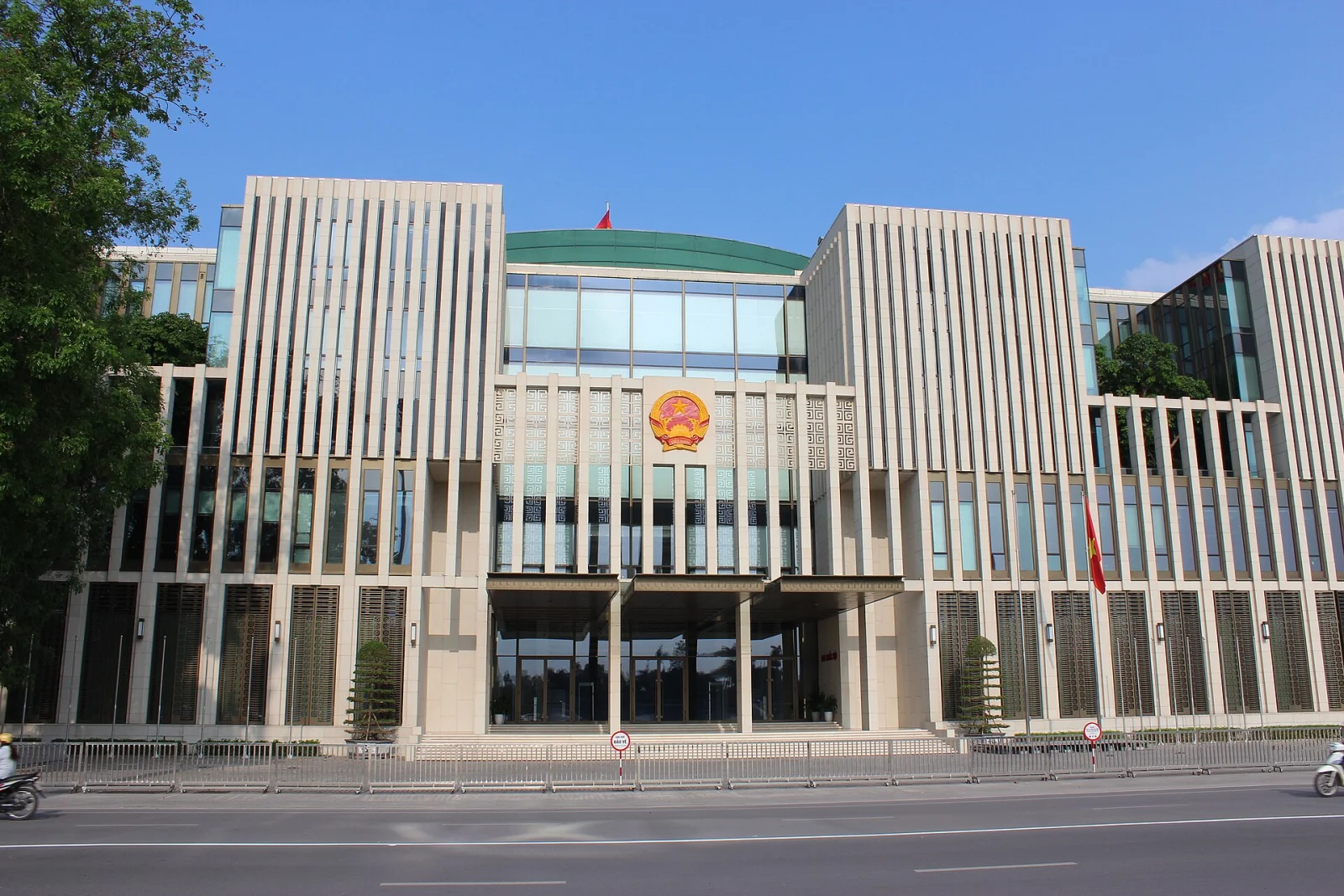
Vietnam’s National Assembly questioned Science and Technology Minister Vu Hai Quan on November 12 about spending from an approximately 95 trillion dong 2026 allocation for science, technology, innovation and digital transformation. At the questioning session, deputy Hoang Minh Hieu cited a 42.12% disbursement rate as of October 30 for approximately 53 trillion dong within the State Treasury’s statistical scope. That percentage does not measure disbursement against the full 95 trillion dong.
National Assembly Chairman Tran Thanh Man closed the science-and-technology questioning by asking officials to clarify funding guidance and address sums that had not been allocated in detail. For researchers and businesses seeking to take part in publicly funded work, the practical issue is how the larger allocation becomes specified projects with rules for spending it.
What the spending figures show
Quan said the 2026 allocation rose from about 75 trillion dong in 2025. Hieu also cited disbursement rates of 27.98% for innovation and 29.90% for digital transformation. Those figures concern the categories he raised; they are not a calculated spending rate for the entire 2026 allocation.
Quan attributed slow disbursement to a wider scope of spending, the time needed for new legal provisions to take effect, a shift toward defining research tasks around practical problems with business and academic participation, and uneven implementation capacity. These were the minister’s explanations for the lag.
What officials were asked to do next
Man called for consistent guidance on spending rules and funding mechanisms, resolution of amounts lacking detailed allocation, and allocations tied to defined outputs, schedules and users. Those are instructions for follow-through; the hearing did not establish that disbursement had accelerated.
Quan described 120 trillion dong for this policy area in 2027 as anticipated. The National Assembly approved the overall 2027 state budget on November 9; the sector figure was discussed as an expectation at the November 12 hearing, not announced as a new approval there. Detailed allocations and spending guidance are the next concrete steps Man requested.
Read the source material
Sources & references
- TỔNG THUẬT: Bộ trưởng Bộ KH&CN Vũ Hải Quân trả lời chất vấn đại biểu Quốc hội baochinhphu.vn
- Quốc hội quyết nghị về tiền lương, phụ cấp, lương hưu, trợ cấp... xaydungchinhsach.chinhphu.vn